
Butiphorce for Poultry
Targeted nutritional support for intestinal function
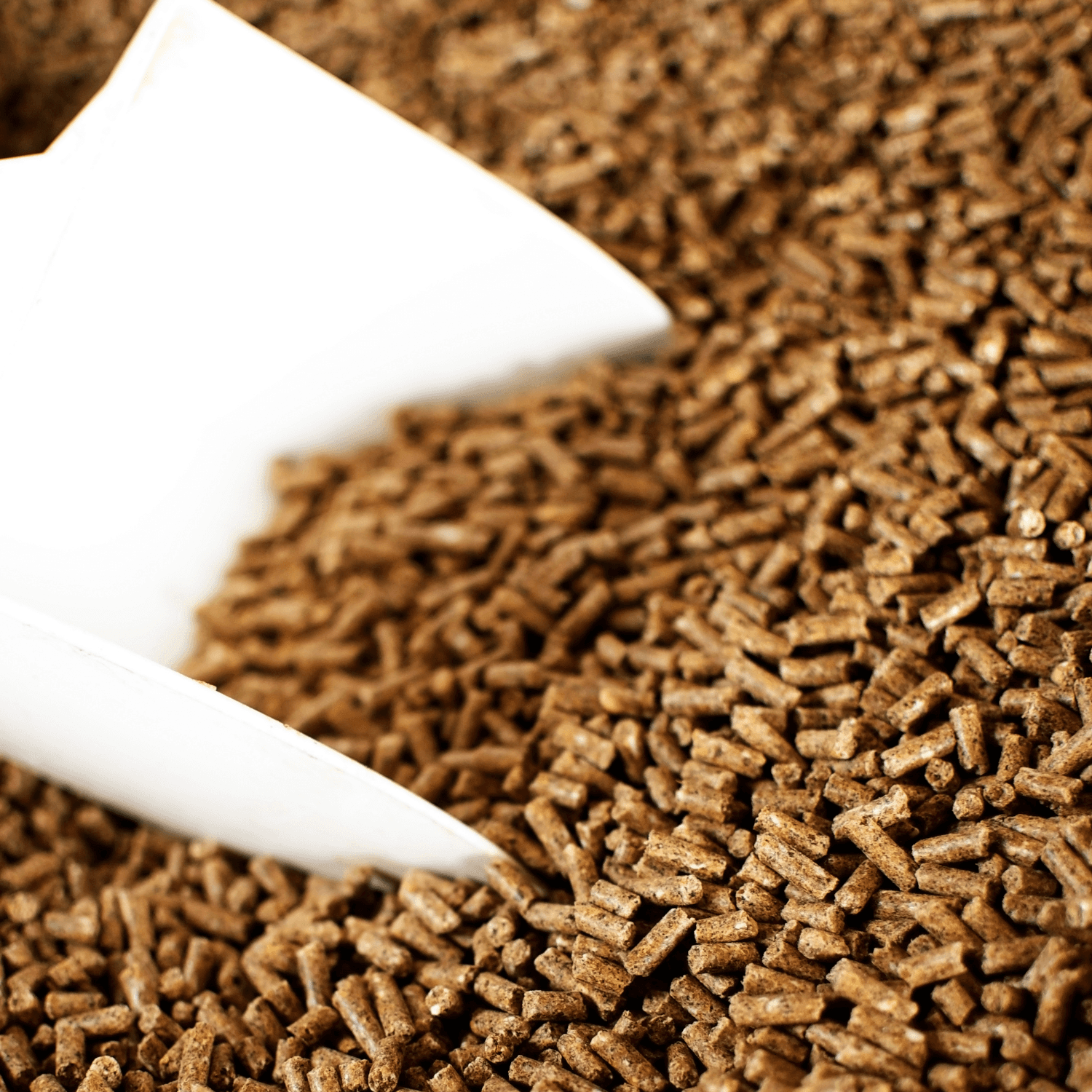
Butiphorce is a specialised feed additive designed to support gut health and digestive function in modern animal production systems. It is positioned as a functional nutritional tool within complete feeding strategies, particularly in situations where intestinal performance is under pressure.
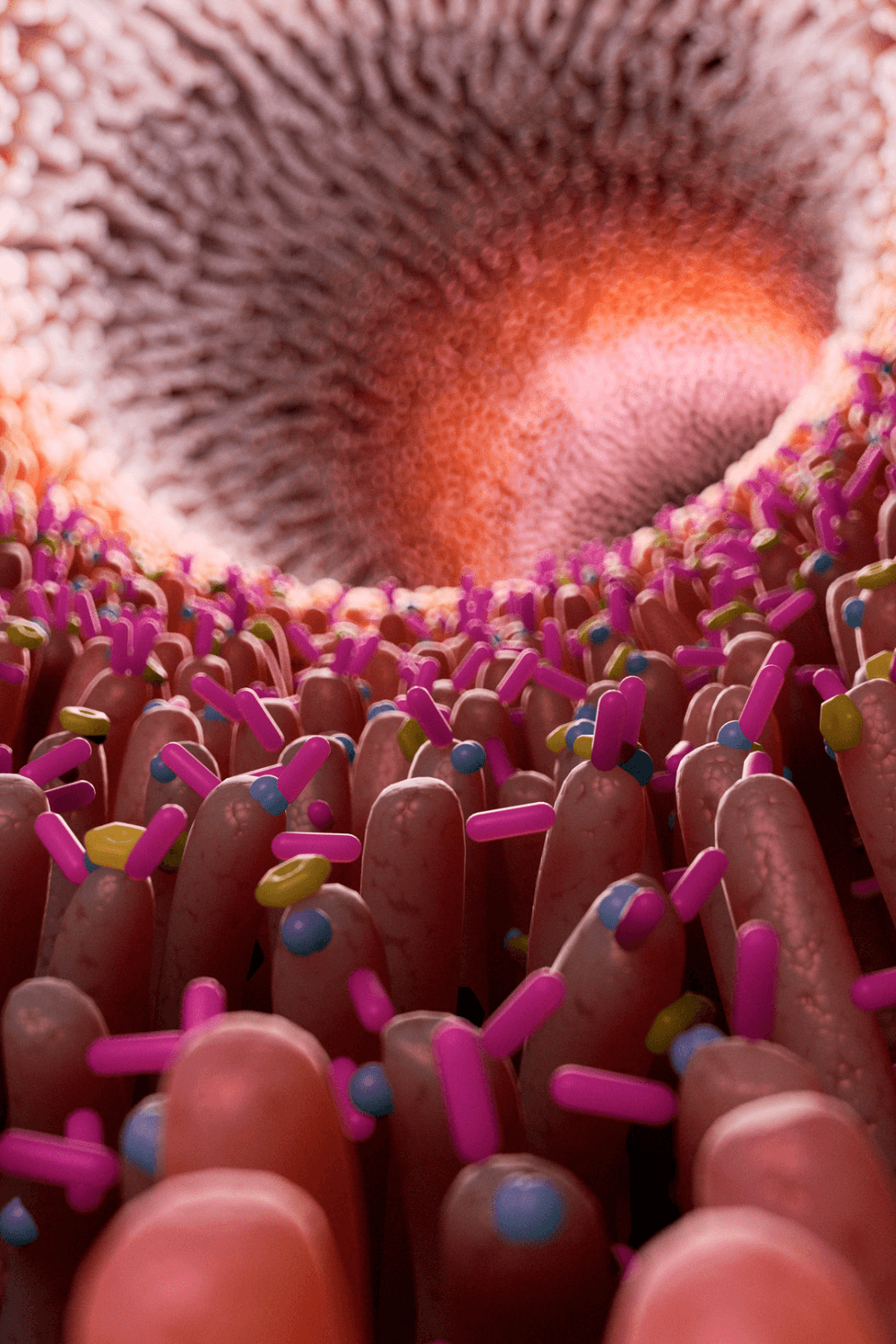
Supports intestinal structure and epithelial integrity
Contributes to improvement in performance
Helps maintain nutrient absorption during periods of stress





Take the Next Step in Gut Health Support and Performance Improvement
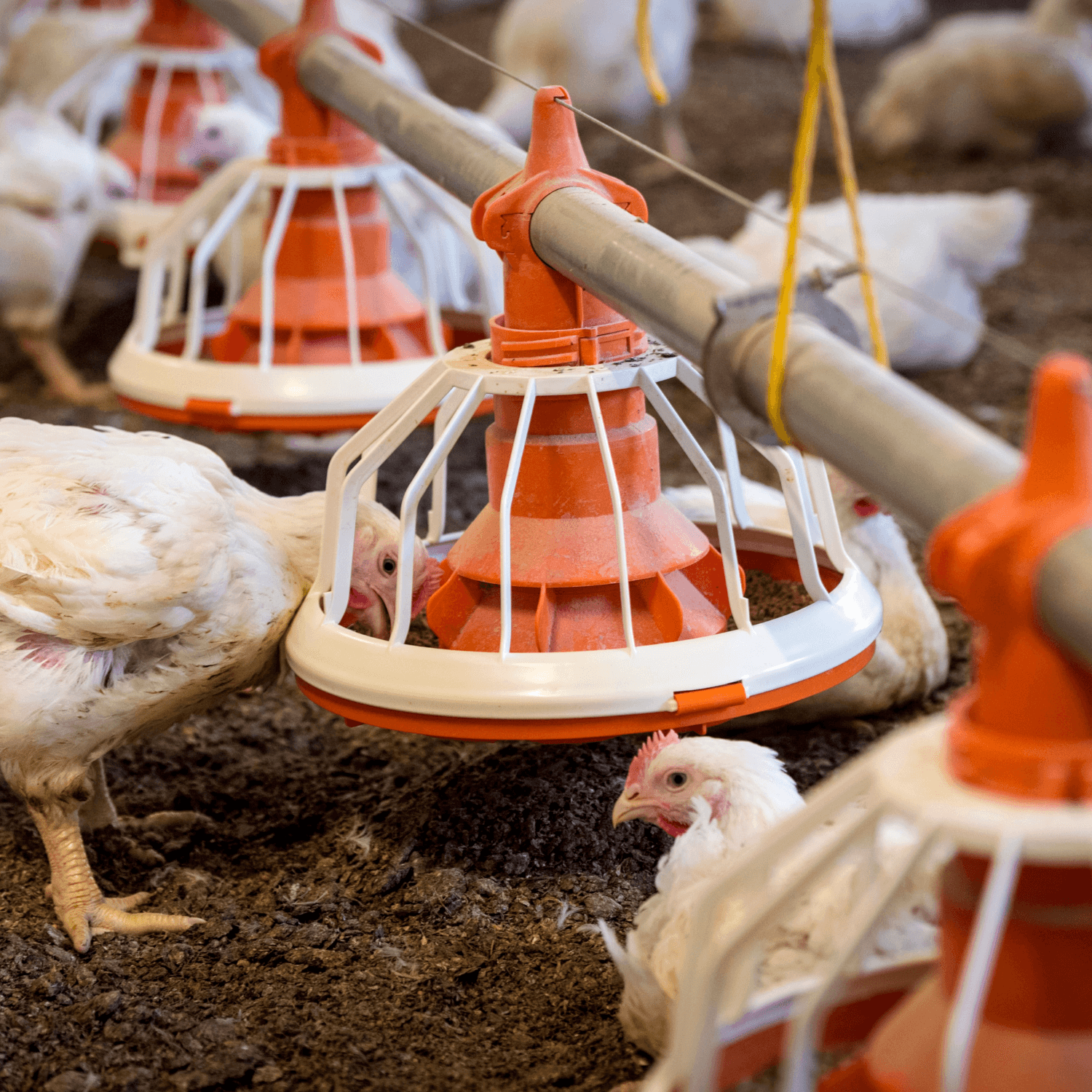
Butiphorce is positioned to support intestinal function and digestive stability in modern poultry production systems.
Butiphorce is a nutritional solution supporting:
Improved digestion and nutrient utilisation
Consistent production performance
More predictable results in poultry systems
Performance depends on feed formulation and management, but Butiphorce supports a performance-driven feeding strategy through targeted gut support.
For guidance on how Butiphorce can be applied within your feeding strategy, NuSana’s technical team supports distributors and nutritionists with practical, field‑relevant advice.
Approved Species
Butiphorce is approved for use in multiple species, including:



Frequently Asked Questions about Butiphorce 1065
What are the benefits of using butyric acid in broiler diets?
Butyric acid supports the development and maintenance of a healthy intestinal tract. In broilers, it may help improve gut wall integrity, support tight junctions between intestinal cells, enhance digestion and nutrient absorption, and contribute to better feed conversion and growth performance. A healthy intestinal epithelium also supports the bird's natural immune function.
What are the benefits of using butyric acid in laying hens?
In laying hens, butyric acid supports intestinal health and nutrient utilisation, which are important for maintaining performance throughout the production cycle. Improved gut integrity and digestion can contribute to better laying performance and support overall flock health.
What are the benefits of using butyric acid in piglets and swine?
Piglets face considerable digestive challenges around weaning. Butyric acid supports the maturation of intestinal cells, helps maintain gut integrity, promotes efficient nutrient absorption, and supports immune function. In growing and finishing pigs, these effects may contribute to improved growth performance and feed conversion efficiency.
What is the advantage of using tributyrin instead of coated butyrate?
Tributyrin is a triglyceride consisting of three butyric acid molecules bound to glycerol. Unlike many coated butyrate products, tributyrin does not rely on a physical coating to protect the active ingredient. After digestion by lipases, butyric acid is gradually released throughout the intestinal tract, providing a more targeted and sustained delivery. In addition, tributyrin products have very low odour and are easy to handle during feed production.
Is sodium butyrate absorbed in the crop and stomach of poultry?
Free sodium butyrate is readily dissociated and can be absorbed in the upper gastrointestinal tract. As a result, a significant portion may be utilised before reaching the distal sections of the intestine. The extent of absorption depends on the product form and any protection technology used. Tributyrin, on the other hand, requires enzymatic digestion before releasing butyric acid, allowing delivery further along the intestinal tract. This supports butyric acid availability throughout the gut.
Can you compare the efficacy of coated sodium butyrate and tributyrin in broilers?
Both coated sodium butyrate and tributyrin are designed to deliver butyric acid beyond the upper gastrointestinal tract. The main difference is the delivery mechanism.
Coated sodium butyrate
Relies on the integrity and consistency of the coating.
Release pattern depends on coating characteristics and feed processing conditions.
Tributyrin (Butiphorce 1065)
Naturally protected within a triglyceride structure.
Released gradually through lipase activity during digestion.
Designed to provide butyric acid throughout the intestinal tract.
Low odour and easy to handle.
Direct comparative efficacy data between coated sodium butyrate and Butiphorce 1065 are not available in the product documentation reviewed. Therefore, no quantitative performance comparison can be made.
Can you compare the efficacy of sodium butyrate and tributyrin in broilers?
Both products provide butyric acid, but their digestion and release characteristics differ.
Sodium butyrate
Releases butyric acid immediately after dissociation.
A proportion may be absorbed in the upper digestive tract.
Tributyrin
Delivers butyric acid as a triglyceride.
Requires enzymatic digestion before release.
Supports a gradual release of butyric acid throughout the intestinal tract.
Because product efficacy depends on formulation, dose, management, health status, and diet composition, direct performance comparisons should be based on trial data. The available documentation does not provide head-to-head comparison results.
How can gut health be improved in poultry and pigs?
A comprehensive gut health strategy includes several nutritional and management measures:
Supporting intestinal integrity with butyric acid sources such as Butiphorce 1065.
Maintaining a favourable gastrointestinal environment with organic acids and essential oils to help control pathogenic bacteria and support digestion.
Supporting beneficial intestinal microflora and reducing pathogen pressure.
Optimising nutrient digestion and absorption, including efficient fat digestion where appropriate.
Reducing the impact of environmental and physiological stressors that can compromise gut function.
Maintaining good feed quality, biosecurity, hygiene, and overall husbandry practices.
A healthy gut is built on a combination of good management and targeted nutritional support rather than a single additive.