
Lauriphorce for Poultry
Whole‑tract gut health support, including neutral pH intestinal zones
Lauriphorce is a functional feed additive based on monoglycerides, designed to support intestinal health and microbial balance throughout the poultry gastrointestinal tract.
Its formulation remains active at both acidic and neutral pH levels, supporting gut health beyond the stomach.
Supports intestinal microbial balance across the full gut
Particularly relevant where neutral pH activity is required
Contributes to digestive stability and performance consistency


Why Whole‑Tract Gut Health Matters in Poultry
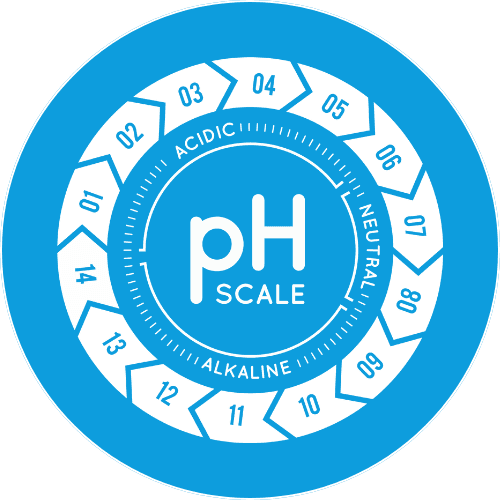
The poultry digestive tract consists of distinct pH zones, ranging from acidic (crop, proventriculus, gizzard) to neutral (small intestine, caeca).
While organic acids are mainly active at low pH, many gut health challenges occur in neutral pH regions.
In addition to gram‑negative bacteria, gram‑positive bacteria and lipid‑coated pathogens can also contribute to intestinal disturbances and performance losses.
Effective gut health strategies therefore require activity beyond stomach acidification.




Take the Next Step in Poultry Gut Health Support
Based on controlled evaluations and field‑relevant experience, Lauriphorce is positioned to support:
Control of gram‑positive microbial challenges
Maintenance of gut health under infection pressure
Stabilisation and recovery of poultry performance
Observed results depend on herd management, diet formulation, health status and production conditions.
Approved Species







Frequently Asked Questions about Lauriphorce 1545
What is the benefit of using monolaurin in poultry?
Benefits include: Broad-spectrum antimicrobial activity. Control of Gram-positive pathogens, especially Clostridia, Streptococcus and Staphylococcus. Support of healthy intestinal microflora. Improved gut health and performance. Reduced infection pressure.
What is the benefit of using monolaurin in swine?
Benefits include: Control of Gram-positive bacteria, particularly Streptococcus and Staphylococcus. Additional activity against Gram-negative bacteria through the acid blend. Support of intestinal health. Reduced infection pressure. Potential support in reducing antibiotic dependency.
What is the antibacterial spectrum of monolaurate?
Monolaurin is particularly active against: Streptococcus spp. Staphylococcus spp. Clostridium spp. The combination used in Lauriphorce 1545 combines monolaurin with formic, lactic, short-chain and medium-chain fatty acids to broaden the antimicrobial spectrum toward Gram-negative bacteria as well.
Can I use monolaurate to reduce Streptococcus in swine?
Yes. Control of Streptococcus is one of the primary intended applications of Lauriphorce 1545 in swine.
Can I use monolaurate to reduce PRRS in swine?
Monolaurin has documented activity against enveloped viruses in scientific literature. However, the available NuSana product documentation does not specifically claim efficacy against PRRS virus. Therefore no direct efficacy claim can be made based on the available documentation.
Can I use monolaurate to reduce PEDV in swine?
The available product information does not specifically claim efficacy against PEDV. No direct efficacy claim should therefore be made. coated sodium butyrate and tributyrin are designed to deliver butyric acid beyond the upper gastrointestinal tract. The main difference is the delivery mechanism. Coated sodium butyrate Relies on the integrity and consistency of the coating. Release pattern depends on coating characteristics and feed processing conditions. Tributyrin (Butiphorce 1065) Naturally protected within a triglyceride structure. Released gradually through lipase activity during digestion. Designed to provide butyric acid throughout the intestinal tract. Low odour and easy to handle. Direct comparative efficacy data between coated sodium butyrate and Butiphorce 1065 are not available in the product documentation reviewed. Therefore, no quantitative performance comparison can be made.
Can I use monolaurate to reduce Clostridium?
Yes. In poultry, Lauriphorce 1545 is specifically positioned against Clostridia and other Gram-positive pathogens.