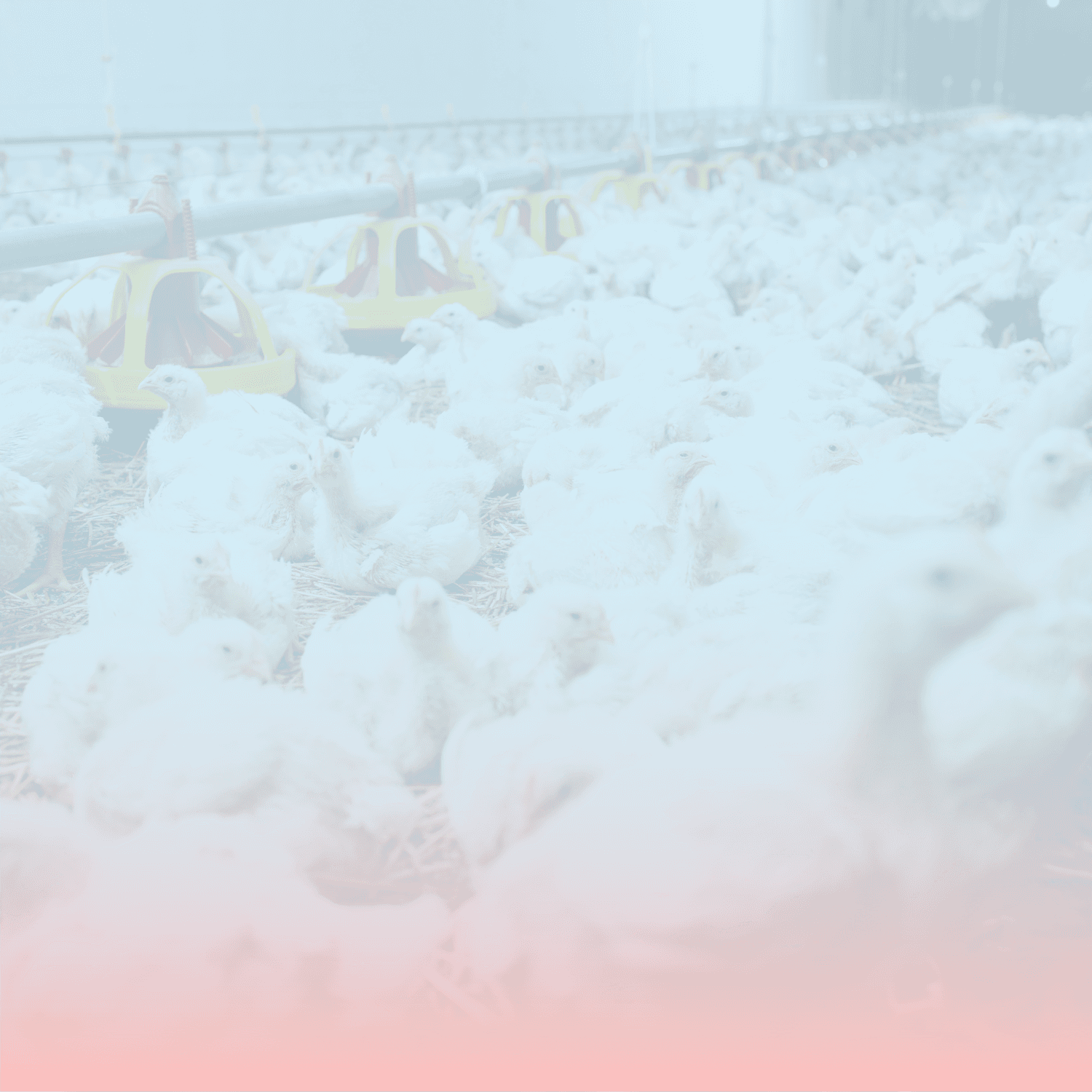

Toksinoblock for Poultry
Targeted nutritional support for mycotoxin control and feed safety
Toksinoblock is developed to support mycotoxin risk management and feed hygiene in poultry production.
Mycotoxins, produced by moulds in raw materials and feed, can negatively affect animal performance, gut health and immune function. Toksinoblock is designed to bind and manage mycotoxins in the digestive tract, supporting more stable production conditions under practical field situations.

Why Mould Prevention & Mycotoxin Control Matter in Poultry
Mycotoxins are a frequent and often invisible risk in poultry production. Even at low levels, they can cause:
Reduced feed intake and growth
Impaired gut health and digestion
Negative impact on immune status
Increased variation in flock performance
Contamination can occur in raw materials, during storage or feed processing. As complete prevention is difficult, effective control and risk mitigation are essential to maintain consistent production results.








Take the Next Step in Mould Prevention & Mycotoxin Control
Based on practical use and technical documentation, Toksinoblock is positioned to support:
Reduction of mycotoxin exposure
Maintenance of feed safety and quality
Consistency in poultry health and performance
Observed results depend on contamination levels, feed formulation, storage conditions and management practices.
Toksinoblock provides targeted support as part of an integrated feed hygiene and mycotoxin control strategy in poultry production.
Approved Species


Frequently Asked Questions about Toksinoblock 3100
How can I prevent the negative impact of mycotoxins in poultry and swine?
General mycotoxin management should include: Raw material monitoring. Proper storage conditions. Mycotoxin risk assessment. Use of a broad-spectrum mycotoxin deactivator/binder. Reduction of immune and oxidative stress through nutrition.
What is a good mycotoxin binder for DON, Zearalenone, Fumonisin, Aflatoxin, Trichothecenes and Ochratoxin?
An effective program should combine: Adsorption of polar toxins such as aflatoxins. Biotransformation or deactivation of more difficult toxins such as DON, Zearalenone and Fumonisins. Specific efficacy claims for Toksinoblock 3100 cannot be made without the corresponding product documentation.
I have grains high in mycotoxins. How can I use these in animal feed?
Best practice is: Analyze the mycotoxin profile. Assess species-specific risk. Dilute contaminated ingredients where regulations allow. Apply a validated mycotoxin management program. Monitor animal performance closely. Specific inclusion recommendations for Toksinoblock 3100 require the product information sheet.