
Lauriphorce for Poultry
Whole‑tract gut health support, including neutral pH intestinal zones
Lauriphorce is a functional feed additive based on monoglycerides, designed to support intestinal health and microbial balance throughout the poultry gastrointestinal tract.
Its formulation remains active at both acidic and neutral pH levels, supporting gut health beyond the stomach.
Supports intestinal microbial balance across the full gut
Particularly relevant where neutral pH activity is required
Contributes to digestive stability and performance consistency

Why Whole‑Tract Gut Health Matters in Poultry
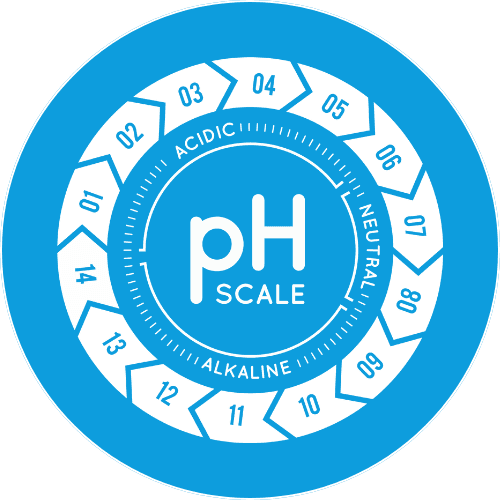
The poultry digestive tract consists of distinct pH zones, ranging from acidic (crop, proventriculus, gizzard) to neutral (small intestine, caeca).
While organic acids are mainly active at low pH, many gut health challenges occur in neutral pH regions.
In addition to gram‑negative bacteria, gram‑positive bacteria and lipid‑coated pathogens can also contribute to intestinal disturbances and performance losses.
Effective gut health strategies therefore require activity beyond stomach acidification.




Take the Next Step in Poultry Gut Health Support
Based on controlled evaluations and field‑relevant experience, Lauriphorce is positioned to support:
Control of gram‑positive microbial challenges
Maintenance of gut health under infection pressure
Stabilisation and recovery of poultry performance
Observed results depend on herd management, diet formulation, health status and production conditions.
Approved Species







Frequently Asked Questions about Lauriphorce 1545
What is the benefit of using monolaurin in poultry?
Monolaurin is known for its activity against various Gram-positive bacteria. In poultry nutrition, it can form part of a nutritional strategy focused on maintaining microbial balance and intestinal health. Lauriphorce 1545 combines monolaurin with selected organic acid sources. This combination is designed to: • Support a balanced intestinal microflora • Support intestinal health and gut function • Help manage microbial pressure in feed and the gastrointestinal environment • Support performance during challenging production conditions. Lauriphorce 1545 can also support the reduction in antibiotic use and can be used in feeding programs as alternative to antimicrobial growth promoters.
What is the benefit of using monolaurin in swine?
In swine nutrition, monolaurin can be used as part of a nutritional strategy to support microbial balance and intestinal health, particularly during challenging production stages such as weaning. Lauriphorce 1545 combines monolaurin with organic acid sources to provide complementary nutritional support. The product can form part of feeding and management programmes focused on maintaining gut health, animal performance and responsible antibiotic use.
What is the antibacterial spectrum of monolaurate?
Monolaurin has demonstrated activity against several Gram-positive bacteria, including species belonging to Streptococcus, Staphylococcus, Clostridium and Enterococcus. Lauriphorce 1545 combines monolaurin with lactic and formic acid sources. These components provide complementary properties and support a broader microbial management strategy.
Can I use monolaurate to reduce Streptococcus in swine?
Monolaurin has demonstrated activity against Streptococcus species under laboratory conditions. Lauriphorce 1545 can therefore form part of a nutritional strategy designed to support microbial balance and intestinal health in swine. Lauriphorce 1545 is a nutritional feed solution and is being used by farmers to reduce streptococcus incidence on farm.
Can I use monolaurate to reduce PRRS in swine?
PRRSV is an enveloped virus, and monolaurin is known for its activity against certain enveloped viruses. Lauriphorce 1545 can be used as part of a nutritional strategy to support animal health and resilience during challenging production conditions. Farmers with high infection pressures including PRRS report a positive feedback after the use of Lauriphoce 1545 and see a reduction in mortality and antibiotic use.
Can I use monolaurate to reduce PEDV in swine?
PEDV is an enveloped coronavirus, and monolaurin is known for its activity against certain enveloped viruses. Research indicates that monolaurin may help reduce the effects of PEDV challenge, including supporting intestinal health and reducing diarrhoea. Lauriphorce 1545 can be used as part of a nutritional strategy to support intestinal health and animal resilience. It can be used as part of a broader PEDV management strategy. Farmers with high infection pressures including PEDV report a positive feedback after the use of Lauriphoce 1545 and see a reduction in mortality and antibiotic use.
Can I use monolaurate to reduce Clostridium?
Monolaurin has demonstrated activity against Clostridium species under laboratory conditions. Lauriphorce 1545 can form part of a nutritional strategy designed to support microbial balance and intestinal health in poultry. The product is a tool to help prevent and reduce the impact of problems associated with poor gut microflora and Clostridium pressure. Of course appropriate feed management, biosecurity and veterinary health measures remain important parts of an integrated health programme.